Stuffed Chicken Piccata Recipe
This Gruyere stuffed chicken breast recipe takes classic chicken piccata to the next level. Tender chicken is filled with melty cheese, pan-fried, then baked in a buttery lemon-caper sauce. It’s simple enough for weeknights but special enough for guests.
Servings: 4
Calories: 534kcal
Equipment
- Cast Iron Skillet
Ingredients
- 4 boneless, skinless chicken breasts *
- 1 teaspoon kosher salt
- ½ teaspoon ground black pepper
- ¾ cup grated Gruyère cheese **
- ¼ cup grated Parmesan cheese ***
- ¾ cup all-purpose flour
- 2 tablespoons olive oil
- 1 cup dry white wine ****
- 3 tablespoons fresh lemon juice from 1½ lemons
- 4 tablespoons capers divided*****
- 3 tablespoons unsalted butter ⅜ stick
- 1 tablespoon chopped fresh parsley optional
- lemon wedges optional, for serving
Instructions
- Preheat oven to 425°F.
- Pat the chicken breasts dry. Season both sides with salt and pepper.4 boneless, skinless chicken breasts, 1 teaspoon kosher salt, ½ teaspoon ground black pepper
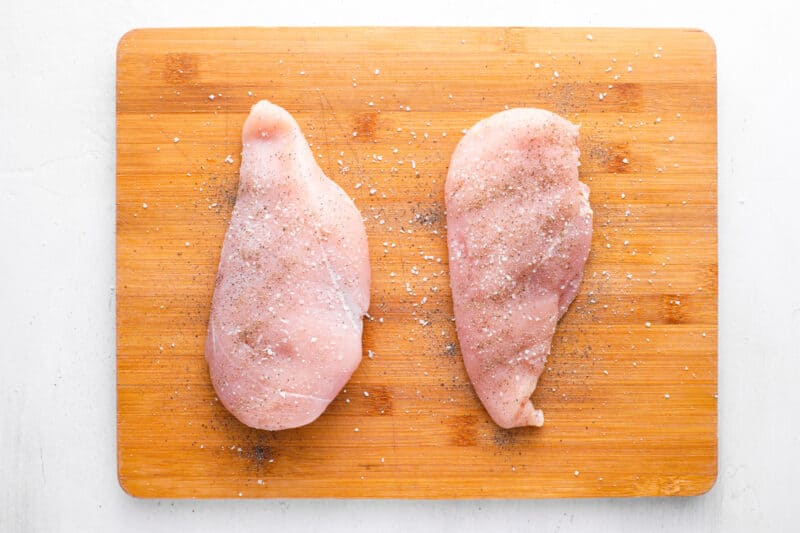
- Cut a pocket into the side of each chicken breast. Be careful not to cut all the way through.
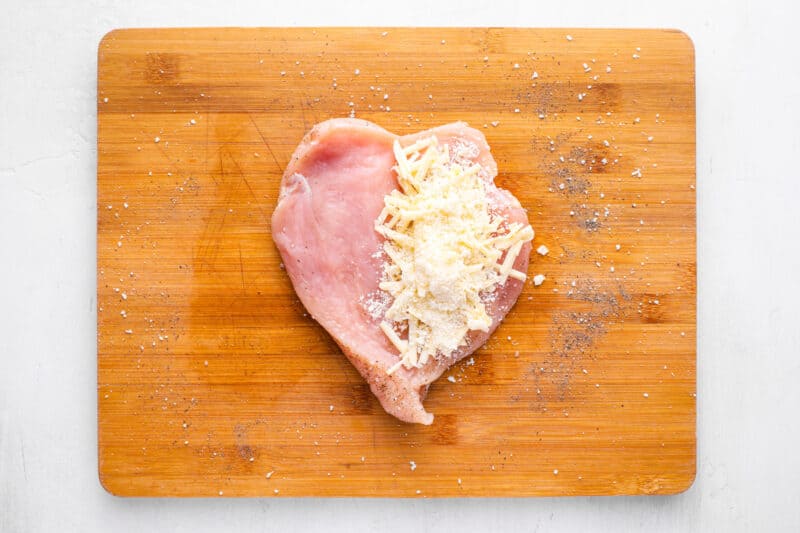
- Stuff each chicken breast with ¼ of the gruyere and parmesan. Secure the chicken with toothpicks.¾ cup grated Gruyère cheese, ¼ cup grated Parmesan cheese
- Place the flour in a shallow bowl and dip each chicken breast to coat.¾ cup all-purpose flour
- Heat a 12-inch cast iron skillet with olive oil over medium-high heat.2 tablespoons olive oil
- Once the oil begins to shimmer/crackle, add the chicken.
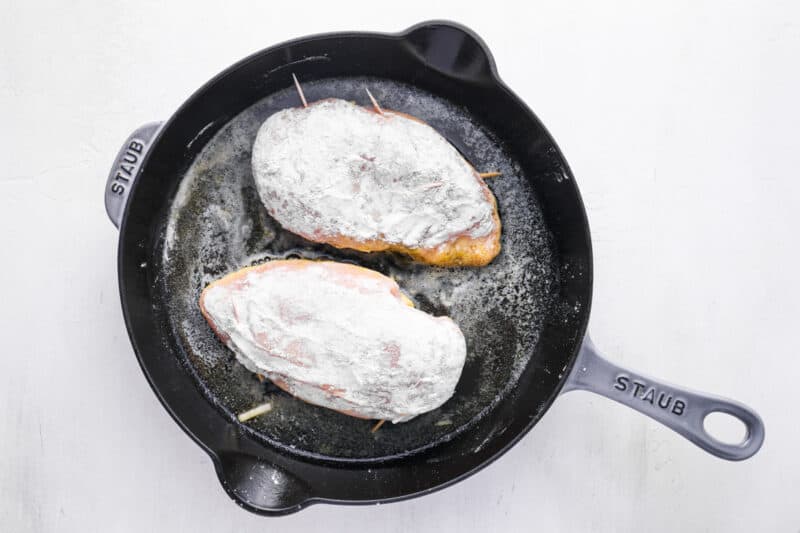
- Brown the chicken for 3-4 minutes per side.
- Once golden, transfer the chicken to the oven and cook for 15-20 minutes or until the chicken is cooked through and the juices run clear.
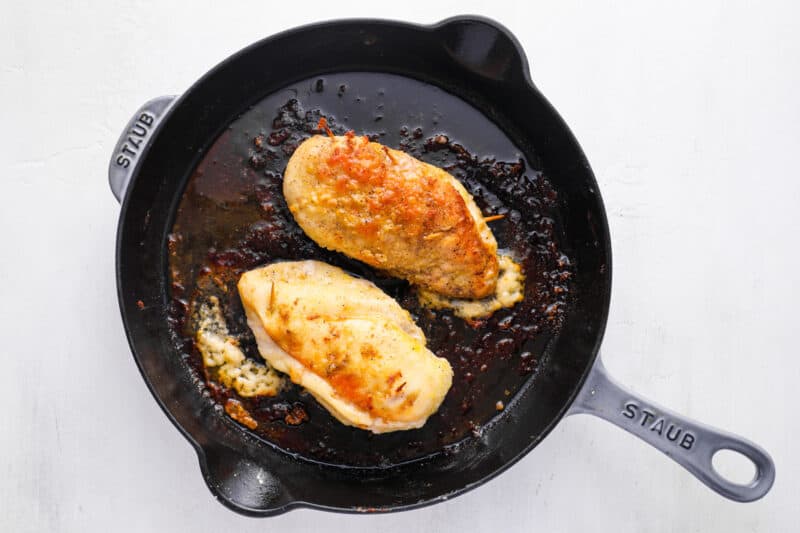
- Remove from the oven and set the chicken aside on your serving plate. Loosely tent with foil.
- Place the skillet back onto the stove. Add the white wine, lemon juice, and capers to the pan and lightly scrape the bottom of the pan to deglaze.1 cup dry white wine, 3 tablespoons fresh lemon juice, 4 tablespoons capers
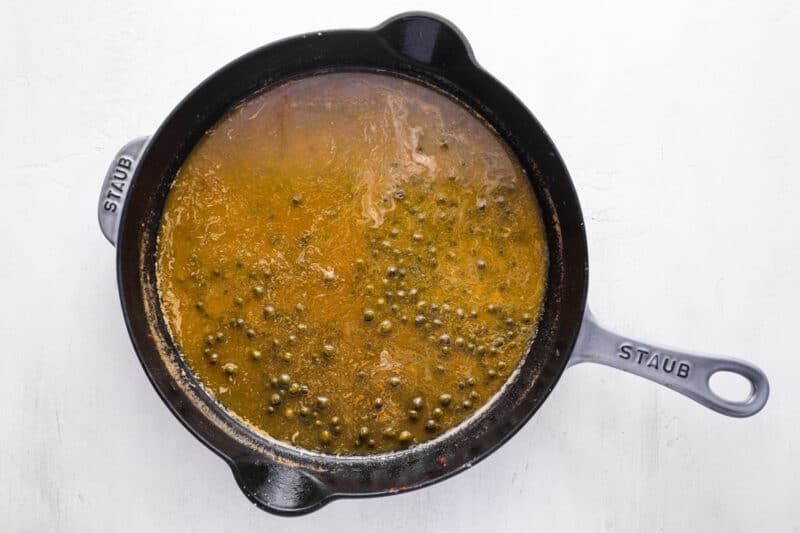
- Add the butter and let it melt. Reduce to a simmer and allow to cook for 5 minutes to slightly thicken.3 tablespoons unsalted butter
- Spoon the sauce over the chicken, garnish with parsley, lemon wedges, and serve.1 tablespoon chopped fresh parsley, lemon wedges
Notes
*You can use boneless, skinless chicken thighs if you prefer; however, the pockets will not be as large.
**Feel free to swap the Gruyere for mozzarella, Emmental, or Fontina.
***Feel free to swap the Parmesan for Asiago, Pecorino Romano, or Grana Padano.
****Look for a crisp, high-acidity wine, like Sauvignon Blanc, Pinot Grigio, or an unoaked Chardonnay. In place of the white wine, you can use white cooking wine or low-sodium chicken broth.
*****In place of the capers, you can use chopped (pitted) green olives.
Tips:
- If the chicken breasts are very thick on one end, lightly pound just that section so they cook evenly.
- Use a sharp paring knife to cut a pocket in the chicken. Be sure not to cut all the way through.
- Don’t be shy with the cheese, but also don’t overstuff the cheese into the chicken breast pocket.
- After dredging the chicken, gently press the chicken closed with your hands so the flour helps seal the edges.
- Too much flour can make the sauce pasty instead of silky, so be sure to shake off the excess before browning the chicken.
- Don't overcrowd the pan. Brown the chicken in batches if needed to get a nice crust.
- To check for doneness, poke the thickest part of the chicken (not the center where the filling is!) with the probe of an instant-read thermometer. If the thermometer reads 165°F, the chicken is cooked.
- If your piccata sauce tastes too sour or tangy, add a pinch (⅛-¼ teaspoon) of baking soda and stir well. A little goes a long way.
- If you're sensitive to salt, rinse the capers before adding them to the sauce.
- For a creamy sauce, stir in a few tablespoons of room-temp heavy cream at the end.
- Stuffed chicken piccata is delicious with mashed potatoes, steamed vegetables, or pasta.
- Garnish with parsley and lemon zest for an extra pop of color and flavor.
- Reheat leftovers covered in a skillet over low heat or in the oven at 325°F to avoid drying out the chicken and splitting the sauce.
Nutrition
Serving: 1chicken breast | Calories: 534kcal | Carbohydrates: 22g | Protein: 36g | Fat: 29g | Saturated Fat: 13g | Polyunsaturated Fat: 2g | Monounsaturated Fat: 11g | Trans Fat: 0.4g | Cholesterol: 128mg | Sodium: 1226mg | Potassium: 544mg | Fiber: 1g | Sugar: 1g | Vitamin A: 682IU | Vitamin C: 7mg | Calcium: 329mg | Iron: 2mg